-
Beyond Laptops: Smart Digital Nomad Gear That Redefines Remote Work in 2025Travel Tech Tips 2025. 8. 19. 17:09
Beyond Laptops: Smart Digital Nomad Gear That Redefines Remote Work in 2025
The first time you pack your bag for a long remote journey, it often feels overwhelming. What goes in? What stays out? Many people think a laptop is enough, but experienced nomads quickly realize that digital nomad gear is a much broader category. It’s not just about carrying devices; it’s about creating a travel setup that lets you stay productive, connected, and comfortable anywhere in the world.
Have you ever found yourself in a café with a dead battery, no outlets, and unstable Wi-Fi? That one frustrating afternoon can teach you more than a hundred blog posts. From that moment on, you start valuing small details: the size of your power adapter, the reliability of your portable wifi, or how well your remote work kit fits into a single backpack. These little things separate an amateur traveler from someone who works confidently across borders.
1. Rethinking “essential” in digital nomad gear
For many beginners, essentials equal laptop, phone, and maybe a headset. But true digital nomad gear involves layers: backup drives for data security, lightweight monitors for multitasking, cable organizers to avoid messy tables. Think of it as building a mobile office that folds neatly into a backpack.
One friend once said, “My office weighs less than 8 kilograms.” That was his benchmark. By intentionally choosing compact gear, he managed to travel through three countries without ever feeling weighed down. That’s the beauty of curation. You don’t just pack; you design a mobile ecosystem.
2. Travel setup that adapts to culture and context
Every country has its quirks. In Japan, outlets are limited in small cafés. In Europe, voltage standards can fry your devices without the right power adapter. And in some rural areas, the only stable internet option is carrying your own portable wifi. A clever travel setup anticipates these challenges instead of reacting to them.
Here’s a practical tip: keep a “regional kit.” For Asia, pack a universal adapter and a compact folding keyboard. For South America, prioritize portable chargers and sim-based Wi-Fi routers. In colder climates, fingerless gloves are surprisingly useful for typing in unheated coworking spaces. These details sound minor, but once you live through the discomfort of missing them, you’ll never underestimate their value again.
3. Portable wifi as your invisible lifeline
Let’s be honest—without reliable internet, your career as a nomad crumbles. That’s why portable wifi isn’t just another gadget; it’s your lifeline. Many nomads keep two options: a pocket router with local SIM cards and a global eSIM plan as backup.
I once lost a contract because I couldn’t send a file on time while stuck in a mountain town. Lesson learned. Now I carry redundancy: one main device and one backup. It may seem over-prepared, but in remote work, trust is everything. Clients don’t care about your signal strength—they care about deadlines.
4. The underestimated power adapter
Among all digital nomad gear, the humble power adapter may look trivial, but it decides whether your laptop stays alive. Modern adapters often come with multiple USB-C outputs, letting you charge your phone, tablet, and camera simultaneously. Invest in a reliable brand, and you avoid overheating issues that cheaper versions bring.
A colleague once bought a $5 adapter at a street market. It sparked, ruined his charger, and cost him $200 to replace. Ironically, “saving money” cost him more. When choosing gear, always ask: what’s the cost of failure?
5. Building your remote work kit with intention
A remote work kit is like a toolbox: it should solve 80% of your daily problems. Mine includes noise-canceling earbuds, a slim Bluetooth keyboard, a foldable laptop stand, and a small LED light for late-night calls. These items don’t just improve comfort—they affect professionalism. Imagine joining a client meeting from a noisy hostel; earbuds cancel chaos, and the LED light prevents your face from looking like a shadowy silhouette.
Bonus tip: keep duplicates of cheap but crucial items, like charging cables or adapters. Losing them abroad can waste hours hunting replacements.
Lessons from mistakes (to avoid repeating them)
Skipping backups: I once worked a week on a report only to lose it after my external drive broke. Cloud sync is non-negotiable.
Ignoring ergonomics: Hunching over a café table for 10 hours gave me wrist pain for weeks. A $20 foldable stand fixed it.
Over-packing: carrying too many “just in case” gadgets left me exhausted. Curating less but better gear is smarter.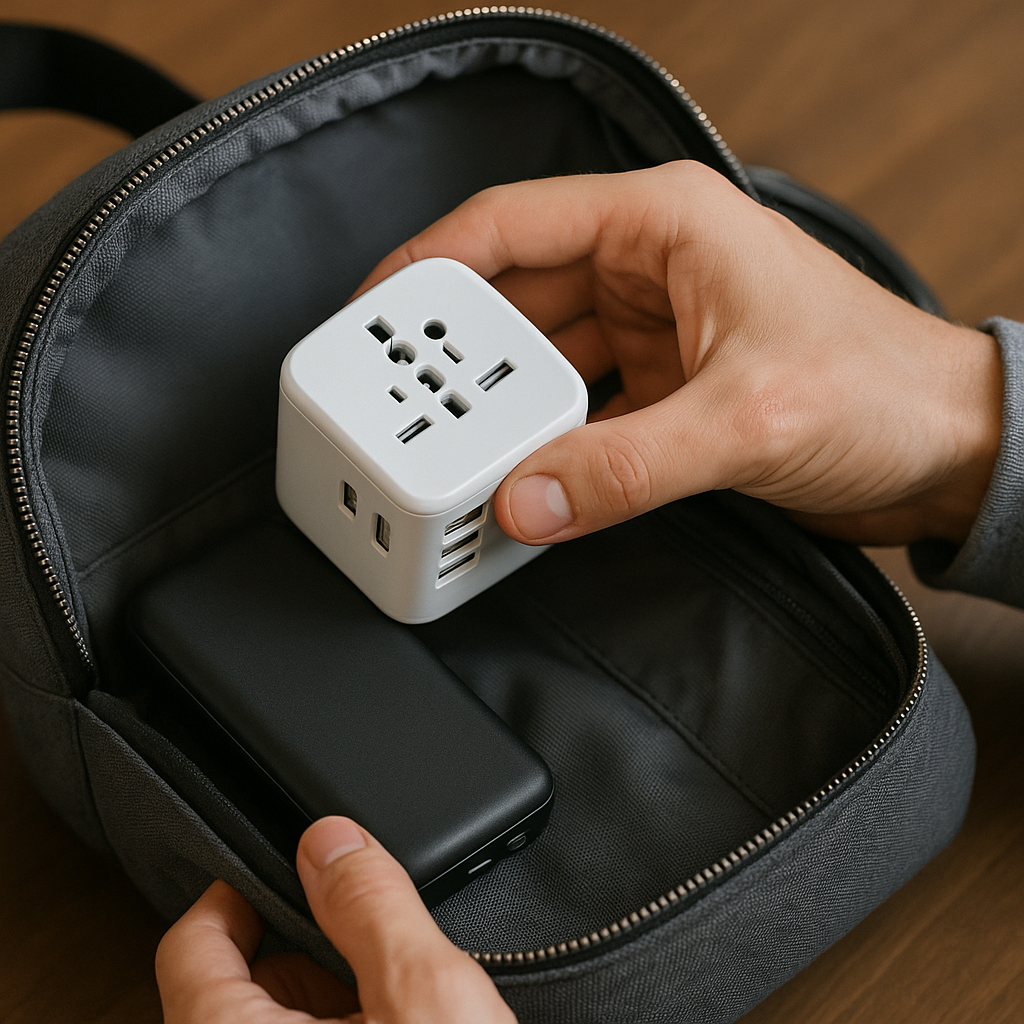
Q: Is it worth carrying a second laptop for safety?
A: Usually no. Instead, invest in cloud storage and carry a lightweight tablet as backup.
Q: What’s the one item beginners forget most?
A: A universal power adapter. Without it, even the best laptop becomes useless.
In the end, the goal of digital nomad gear isn’t just survival—it’s freedom. The right travel setup lets you flow seamlessly between cities, cultures, and time zones. With reliable portable wifi, a trusted power adapter, and a carefully built remote work kit, you don’t just work abroad—you thrive abroad.
And remember: gear isn’t about showing off. It’s about buying peace of mind. Once you feel that calm certainty, you’ll realize your bag is more than luggage—it’s a ticket to independence. 🌍
When you look back after months on the road, you’ll realize that the most valuable asset wasn’t the city you visited or even the money you earned—it was the reliability of your digital nomad gear. Without it, your schedule collapses, your income stalls, and your lifestyle turns into stress instead of freedom. This expansion dives deeper into the habits and routines that make your setup sustainable over time.
Curating gear as a long-term lifestyle
Every purchase becomes an investment decision. Will this lightweight mouse last six months of daily use? Does this universal power adapter have surge protection to safeguard my laptop? Questions like these seem trivial, but they compound over years of nomadic living. Veterans often say, “Buy once, cry once.” Spending more upfront on durable equipment saves you from constant replacements that drain your wallet and your patience.
A good remote work kit doesn’t just include gadgets. It includes thoughtfulness: insurance for electronics, cloud backups for files, even a protective sleeve to guard your passport. The gear is the hardware; the routine is the software. Together they make your travel setup run smoothly.
The rhythm of a travel setup
Nomads don’t just pack; they repack weekly. Moving from an Airbnb to a hostel, then to a coworking space forces you to constantly refine your organization. Many people build a “one-minute rule”: if you can’t pack your essentials in one minute, your system is too complicated. That’s why organizers, pouches, and cable ties are unsung heroes of digital nomad gear.
Have you ever watched someone untangle five different cords at an airport security line? That frustration bleeds into the rest of their day. Contrast that with a traveler who slides a neat pouch into the scanner tray and breezes through. The difference isn’t luck—it’s routine.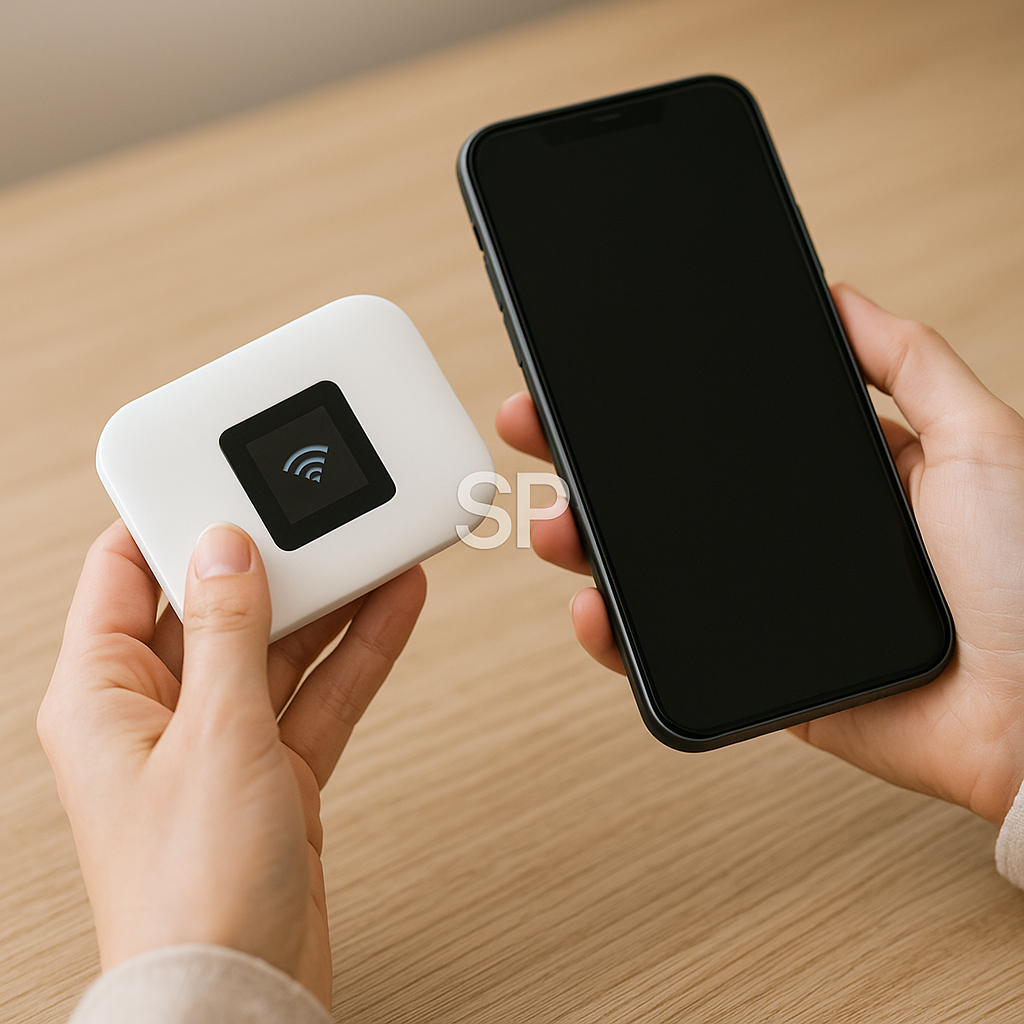
Portable wifi: more than just internet
Owning a portable wifi device also changes your behavior. It teaches you to be proactive. Instead of asking cafés, “Do you have Wi-Fi?”, you quietly create your own network. This independence reduces stress and even improves safety—because you’re not forced to sit in sketchy places just for internet access.
Some nomads go further, carrying two devices: one for daily browsing, one as a hidden backup. Others rely on global eSIM providers that give instant coverage in 120+ countries. The common thread? Never leave connectivity to chance. In remote work, reliability is reputation.
Power management as productivity insurance
If internet is your lifeline, electricity is your bloodstream. That’s why the right power adapter deserves more respect. Multi-port chargers let you work while charging multiple gadgets, and compact extension cords add flexibility in old buildings with limited outlets.
One underrated trick is carrying a high-capacity power bank that can also charge laptops. During a 10-hour train ride in India, I managed to finish a project simply because my backup battery gave me four extra hours. Those four hours meant I hit my deadline and secured another contract.
Building layers into your remote work kit
Think of your remote work kit like armor. You want layers of defense. If your laptop breaks, you have a tablet. If Wi-Fi drops, you tether from your phone. If your charger fails, you switch to your spare. The goal isn’t to eliminate risk—it’s to eliminate single points of failure.
This layered mindset even extends to health. Many nomads pack small first-aid kits, ergonomic laptop stands, or portable lamps to reduce eye strain. Why? Because protecting your body is just as important as protecting your tech.
A designer in Bali lost a week’s income when his cheap router died mid-project. Since then, he always carries two portable wifi devices.
A consultant in Spain missed a speaking gig because she forgot her power adapter. Now she keeps one in every bag she owns.
A developer in Mexico said the best $30 he ever spent was on a secondhand ergonomic chair. Comfort turned into productivity.
These stories remind us that mistakes are tuition fees in the school of nomad life. You either learn the easy way—by listening to others—or the expensive way, by suffering yourself.
The truth is, no checklist is universal. Your digital nomad gear will evolve with your lifestyle. At first, you might carry too much, then too little, until you find your balance. What matters is treating your gear not as gadgets but as enablers of freedom. A flexible travel setup, reliable portable wifi, solid power adapter, and resilient remote work kit don’t just help you work—they help you live.
So the next time you zip up your backpack, ask yourself: am I packing stress, or am I packing confidence? 🌍'Travel Tech Tips' 카테고리의 다른 글
Work Anywhere Essentials: Smart Gear for Remote Lifestyle (0) 2025.08.31 Remote Work Essentials: Gear & Connectivity Tips for Digital Nomads Worldwide (1) 2025.08.22 Essential Digital Nomad Gear (1) 2025.08.14 The Ultimate Nomad Kit: Gear and Setup Routines for Global Work Efficiency (1) 2025.08.12