-
Remote Work Essentials: Gear & Connectivity Tips for Digital Nomads WorldwideTravel Tech Tips 2025. 8. 22. 15:17
Remote Work Essentials: Gear & Connectivity Tips for Digital Nomads Worldwide
Hello everyone! How’s your day going so far? 🌍 Some of you might be sipping coffee at a cozy café right now, while others could be planning your next flight to a brand-new destination ✈️. If you’ve ever dreamed about living as a digital nomad, you probably know the excitement comes with its own challenges too 😅. Working from anywhere sounds amazing, but what about reliable internet, power adapters, and carrying the right gear? These little details can make or break your remote lifestyle. I’ve been through those moments where my laptop battery was about to die in the middle of a meeting ⚡, or the café Wi-Fi suddenly dropped, leaving me scrambling to reconnect. That’s why today, I want to walk you through the remote work essentials—the real gear and connectivity tips every digital nomad should know. 😊✨
1. A Lightweight but Powerful Laptop
The heart of your mobile office is definitely your laptop 💻. Forget heavy machines that slow you down—what you need is something slim, light, yet strong enough to handle both video calls and creative work. Popular picks among nomads right now are the Asus Zenbook S14 with its amazing 19-hour battery life, the Lenovo Yoga Pro 9i with a brilliant Mini LED display, and the Dell Inspiron 14 Plus, perfect for multitasking. The reason this matters is simple: if your laptop keeps crashing or drains too fast, you’ll waste hours fixing issues instead of enjoying your adventure. Think of it like choosing a travel buddy—you want reliability, not drama 😉.
2. Tech-Friendly Backpack & Cable Organizer
Carrying your gear safely while hopping between airports, buses, and cafés is harder than most people imagine 🎒. A tech backpack with anti-theft zippers and water resistance is a life-saver. Combine it with a cable organizer to keep chargers, USB hubs, and adapters in order. I once had all my cords tangled in my bag during a long train ride—believe me, it’s not fun pulling everything out in front of strangers 😆. A small organizer not only keeps you professional but also saves your nerves. Remember, as a nomad, your bag is basically your office!
3. Universal Travel Adapter & Reliable Power Bank
Different countries mean different plugs and voltages 🔌. Europe uses 220V with Type-C plugs, while Japan uses 110V with Type-A. Without the right adapter, your devices simply won’t work. A universal travel adapter that covers 150+ countries is the smartest investment. Pair it with a high-capacity power bank like Anker’s 20,000mAh models so you never run out of juice. Think of this combo as your survival kit—because nothing’s scarier than watching your battery hit 1% during an important client call 😱.
4. Internet Tools: Wi-Fi Hotspots & eSIMs
If there’s one thing that defines remote work, it’s internet connectivity 🌐. Relying only on café Wi-Fi is risky, so nomads often carry portable Wi-Fi hotspots or use eSIM services like Airalo. These allow you to get data instantly in more than 100 countries without searching for a local SIM card shop. In places where internet is unstable, such as small towns in Southeast Asia, having a backup hotspot has saved me more than once. It’s like carrying a secret weapon—you’ll thank yourself when your Zoom call doesn’t drop out halfway through 🙌.
5. Noise-Cancelling Headphones for Focus Anywhere
Coworking spaces and coffee shops are inspiring, but let’s be honest—they can get noisy 🗣️☕. A pair of noise-cancelling headphones is worth every penny. Models like Bose 700 or Sennheiser PXC 550 let you focus on work while the café buzz turns into background silence. This simple tool can instantly upgrade your productivity. Imagine writing your proposal with waves crashing behind you at a beach café 🏖️—romantic, yes, but only enjoyable if you can actually concentrate.
6. Routine by Country: Adapting to Local Power & Wi-Fi
Every country comes with surprises. In Bali, you might deal with frequent blackouts, so always keep a backup battery. In Portugal, coworking spaces are booming, giving you stable connections for cheap. In Japan, cafés often limit plug access, meaning your power bank will save you. Developing a small country checklist—voltage, plug type, best data provider—will save countless hours. Over time, this becomes second nature, and suddenly you’re the one giving tips to new nomads 😎.
Gear isn’t only about tech; it’s about peace of mind 💡. The right setup frees you from constant worries, letting you enjoy sunsets, new friendships, and spontaneous trips. Remember, you don’t need the fanciest gadgets. You just need reliable tools that work for you. The less you stress about equipment, the more you can focus on building your career and memories. After all, the digital nomad lifestyle isn’t only about surviving—it’s about thriving 💖✨.
So here’s the truth: remote work essentials are not luxuries, they’re lifelines. A solid laptop, organized backpack, adapters, reliable Wi-Fi, and noise-cancelling headphones can transform your workdays abroad. Each piece solves a problem before it ruins your schedule. Once you nail down these basics, you’ll feel lighter, freer, and way more confident about living anywhere. And trust me, the freedom to choose your office view—from a mountain cabin to a city rooftop—is worth every bit of preparation 🌟.
When you’ve covered the basic gear for remote work, the next step is learning how to stay flexible and secure while moving across borders 🌏. Many digital nomads quickly realize that the challenges aren’t just about packing the right laptop or adapter, but about how to handle unpredictable connections, keep personal data safe, and maintain productivity in very different environments. The truth is, every new country feels like a reset button—fresh excitement but also fresh problems 😅. Let’s explore the deeper layers of what makes a smooth nomad routine.
One of the first lessons most remote workers learn is the importance of a VPN. Public Wi-Fi networks in airports, hotels, and cafés are convenient but often unsafe 🔐. Without protection, your private data—emails, passwords, even bank logins—can be exposed. Using a reliable VPN such as NordVPN or ExpressVPN creates an encrypted tunnel that shields your online activity. I remember once working in a hostel lobby when an IT-savvy traveler warned me about hackers monitoring the shared Wi-Fi. That night, I installed a VPN immediately, and it’s been part of my daily routine ever since. The peace of mind is priceless 😊.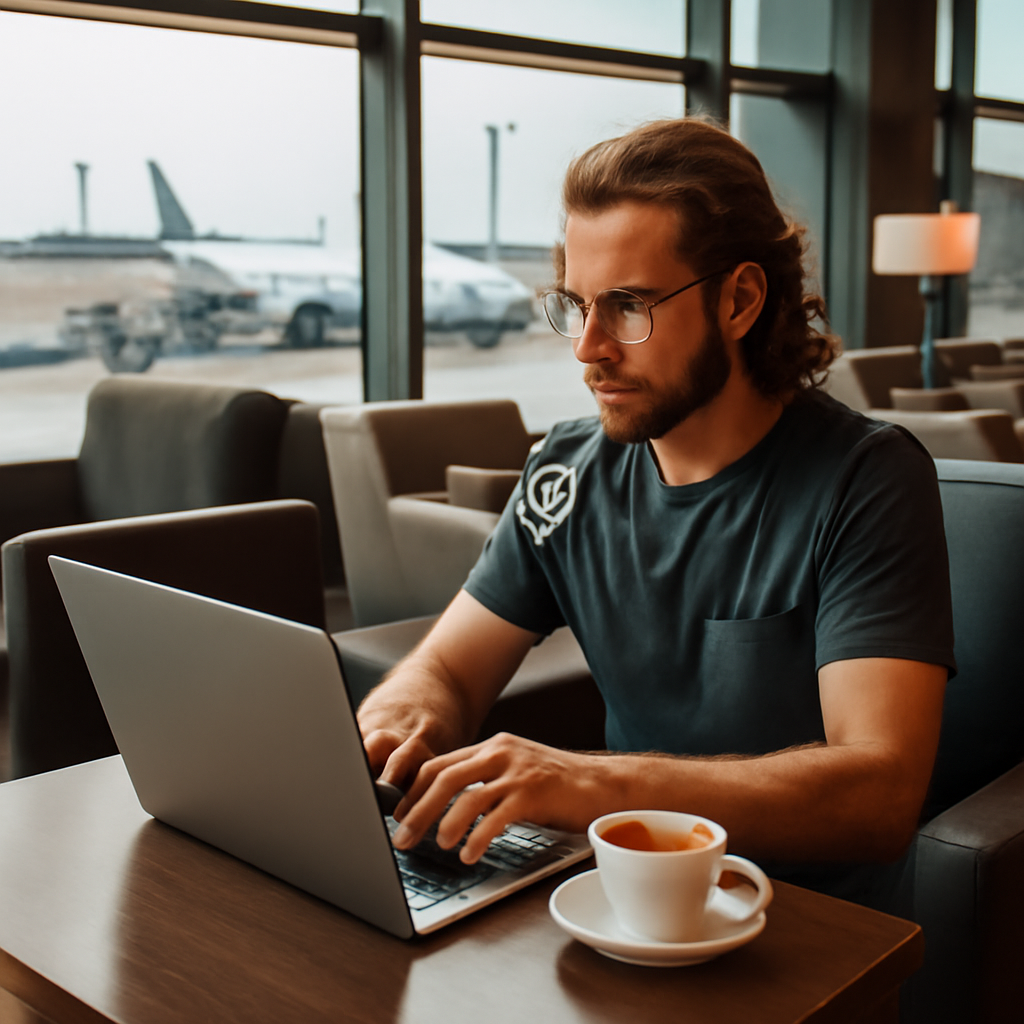
Another overlooked aspect is having a multi-connection strategy. Imagine working on a project with a deadline, and suddenly the café Wi-Fi cuts off. What now? The smartest digital nomads don’t rely on just one source. They carry a local SIM card, keep an eSIM loaded, and even use their phone hotspot as a backup. It’s like having three safety nets under your trapeze 🎪. In Southeast Asia, I’ve often switched between my phone hotspot and a portable Wi-Fi router in the same afternoon. Yes, it costs a little more, but the ability to stay online without panic is worth every cent.
Then comes the choice between physical SIMs and eSIMs. Traditional SIM cards are still cheaper in some countries, but eSIMs are becoming a game changer for frequent travelers. With services like Airalo or Holafly, you can activate data within minutes of landing—no more hunting for kiosks in the airport after a long flight. Personally, I use a hybrid system: an eSIM for quick connectivity on arrival and a physical SIM for long stays. This way, I don’t lose hours figuring things out while jetlagged 💤. Small hacks like this free up time to actually enjoy the journey.
Coworking spaces also deserve a mention. While many nomads love cafés for the atmosphere, coworking hubs provide something invaluable: stability. You get faster internet, ergonomic chairs, and the chance to meet like-minded professionals. In Lisbon, I joined a coworking space that hosted weekly meetups, and it completely changed my experience. Not only was the internet reliable, but the friendships I built there opened doors to collaborations and freelance gigs 🙌. That’s the beauty of this lifestyle—it’s not just work; it’s community.
Speaking of community, don’t underestimate the value of local resources. Some countries now actively promote digital nomad visas. Portugal, Estonia, and Bali have introduced special programs allowing remote workers to stay longer legally. Having the right visa gives you peace of mind, letting you focus on work rather than overstaying or rushing around. It’s worth researching these options before you arrive. A friend of mine applied for a nomad visa in Croatia and ended up extending her stay by a full year—it completely changed her career path and lifestyle 🌟.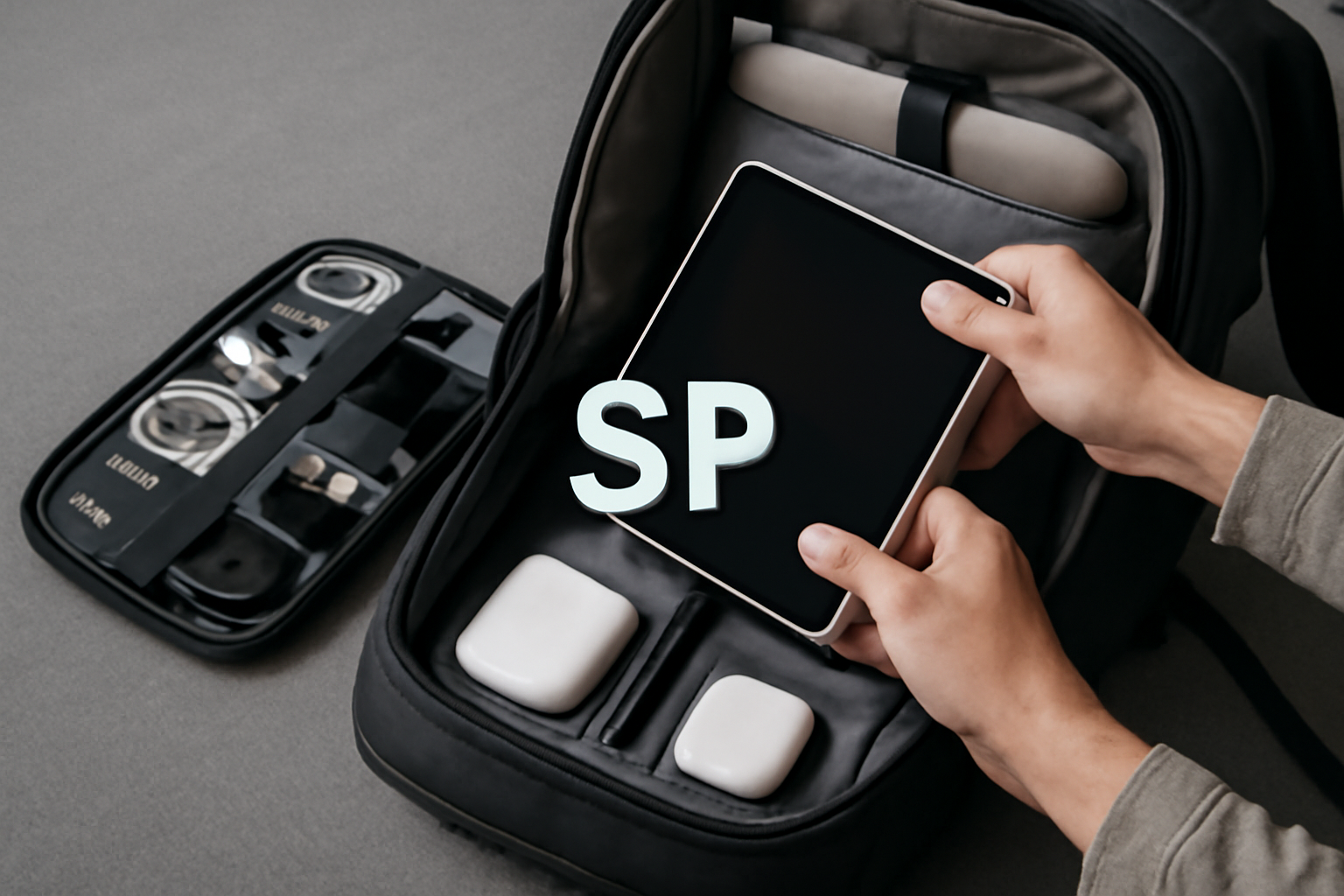
Of course, not every part of the journey is smooth. There are days when blackouts happen, cafés are overcrowded, or language barriers make it hard to find help. The key is to adopt a mindset of flexibility. A portable charger, an offline map app, and a habit of saving files locally can transform chaos into a manageable hiccup. The more you travel, the more you realize that gear is not about luxury—it’s about resilience. Each item in your bag is like a teammate, helping you handle the unexpected with a smile.
care. Constant travel can be exhausting, and burnout is real. Balancing work with rest, finding quiet spaces for focus, and respecting your own rhythms are as important as any gadget. After all, the purpose of being a digital nomad isn’t just to work everywhere—it’s to live fully while doing it 💖. Whether you’re writing code in Tokyo, designing in Barcelona, or teaching online from Bali, the right combination of gear, connectivity, and mindset will carry you through. And every time you solve a challenge on the road, you grow stronger, more confident, and more free.'Travel Tech Tips' 카테고리의 다른 글
Work Anywhere Essentials: Smart Gear for Remote Lifestyle (0) 2025.08.31 Beyond Laptops: Smart Digital Nomad Gear That Redefines Remote Work in 2025 (0) 2025.08.19 Essential Digital Nomad Gear (1) 2025.08.14 The Ultimate Nomad Kit: Gear and Setup Routines for Global Work Efficiency (1) 2025.08.12